

Iron Peptides - Pharmaceutical-Grade Research Peptides
99%+ purity, third-party Certificate of Analysis, manufactured in the USA in an FDA-registered, cGMP-compliant facility. Trusted by researchers nationwide and verified on Trustpilot.
What Are Iron Peptides?
Iron peptides are short chains of amino acids that bind to or interact with iron ions, forming bioactive peptide-iron complexes. Unlike traditional iron supplements - which deliver iron in mineral salt forms such as ferrous sulfate, ferrous gluconate, or ferrous bisglycinate - iron peptides represent a class of research compounds studied for their distinct mechanisms of iron transport, chelation, and regulation in biological systems.
The category covers several distinct research molecules described in peer-reviewed literature:
- Hepcidin-modulating peptides - short sequences investigated for their effect on hepcidin, the master regulator of systemic iron homeostasis.
- Iron-chelating peptides - derived from food proteins (egg yolk, soybean, casein, whey) and shown in vitro to bind both ferrous (Fe²⁺) and ferric (Fe³⁺) iron with measurable affinity.
- Iron-transport peptide complexes - sequences that demonstrate enhanced cellular uptake of iron in research models such as Caco-2 monolayers.
Iron peptides sold by IRON Peptides are intended exclusively for in-vitro research and laboratory use. They are not dietary supplements, drugs, or therapeutic products, and are not intended for human or animal consumption.
Mechanism - How Iron Peptides Work in Research Models
Three primary mechanisms appear in the peer-reviewed literature on iron peptides:
1. Hepcidin pathway modulation
Hepcidin is a 25-amino-acid peptide hormone produced by the liver that controls iron absorption and release. Elevated hepcidin restricts iron availability and is implicated in anemia of chronic disease. Research published in Blood by the American Society of Hematology (ASH 100039) describes synthetic peptide inhibitors of hepcidin that, in animal models, restore iron mobilization from cellular stores.
2. Iron chelation through bioactive sequences
Food-derived peptides rich in histidine, cysteine, aspartic acid and glutamic acid residues form stable complexes with iron ions. A 2023 study in PMC (PMC10154770) characterized novel iron-chelating peptides isolated from hen egg yolk protein and demonstrated measurable chelation activity in vitro. Earlier review work in Trends in Food Science & Technology (S0963996920300016) summarized iron-chelating peptides across dozens of source proteins.
3. Enhanced cellular uptake
Peptide-iron complexes can enter cells through pathways distinct from free ionic iron absorption. Research in Frontiers in Nutrition (Frontiers 997006) reported that food-derived bioactive oligopeptide–iron complexes showed improved uptake efficiency in Caco-2 cell models compared to control iron salts.
Taken together, these mechanisms explain why iron peptides are an active area of investigation in hematology, nutritional science, and biochemistry.
Research Applications and Areas of Study
Iron peptides appear in several research contexts:
- Iron homeostasis research - investigating regulatory peptides that influence hepcidin, ferroportin, and transferrin pathways.
- Bioavailability studies - comparing absorption profiles of peptide-iron complexes against conventional iron salts in cell culture and animal models.
- Anti-anemia compound discovery - screening peptide libraries for candidates that modulate iron disorders in preclinical models.
- Antioxidant chemistry - many iron-chelating peptides also exhibit free-radical scavenging activity in vitro.
- Food science applications - developing functional ingredients from protein hydrolysates.
Reconstitution and Handling Guidelines for Research Use
Standard laboratory peptide handling protocols apply. Researchers typically reconstitute lyophilized peptides with bacteriostatic water or sterile sodium chloride solution. Stock concentrations are calculated according to the experimental design, and working dilutions are prepared in the appropriate buffer system.
For volume and concentration math, our free Peptide Calculator handles standard reconstitution calculations.
Recommended storage:
- Lyophilized form: −20 °C, long-term.
- Reconstituted: 2–8 °C, short-term (typically up to 4 weeks).
- Avoid repeated freeze-thaw cycles.
- Protect from light and moisture.
These are general handling notes for research environments. Specific protocols depend on the experimental design and should follow your institution's guidelines.
Iron Peptide Product Specifications
Every iron peptide product in the IRON Peptides catalog meets the same standards:
| Purity | 99%+ verified by HPLC - current lot reports 99.995% |
|---|---|
| Lot-specific COA | Current lot: IR-2510-025 - Download PDF |
| Third-party testing | Independent laboratory verification of identity, purity, and endotoxin content |
| Confirmation | Mass spectrometry on every batch |
| Origin | Manufactured in the USA in an FDA-registered, cGMP-compliant facility |
| Form | Sterile lyophilized powder, sealed vials, ready for reconstitution |
| Shipping | Standard and cold-chain options available across the United States |
Iron Peptide Catalog
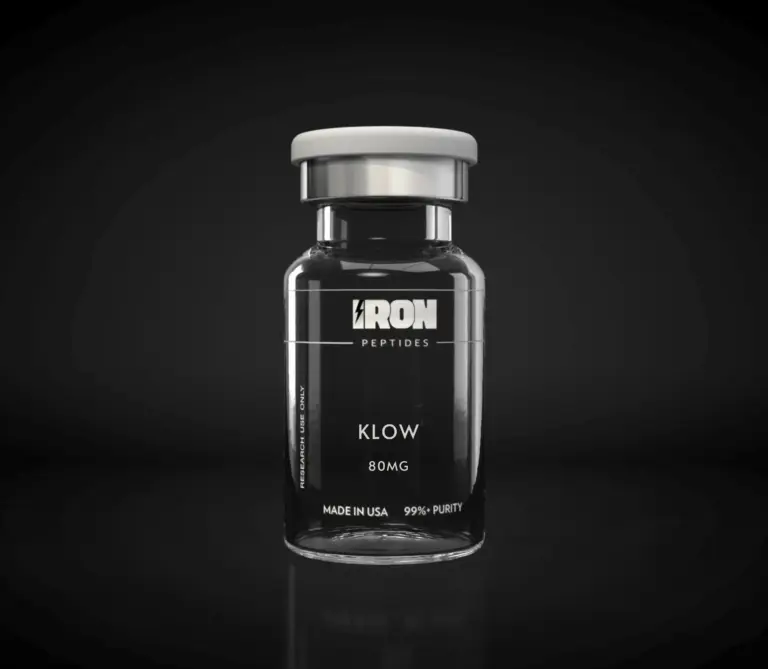
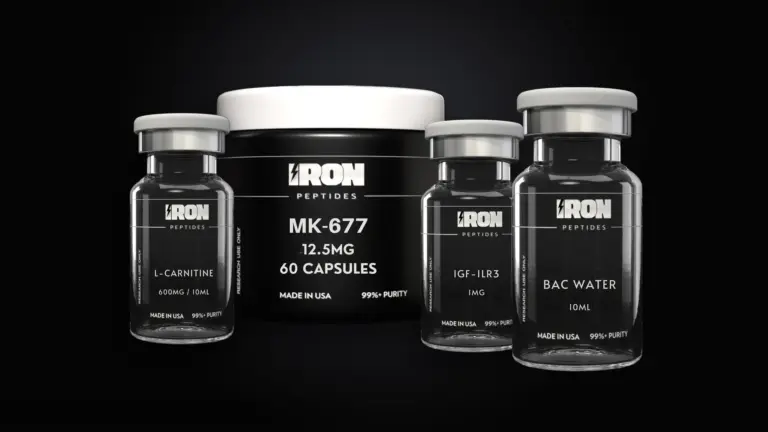
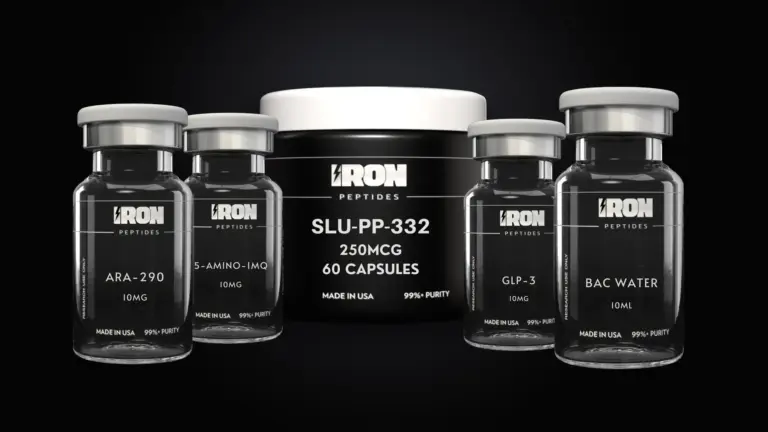
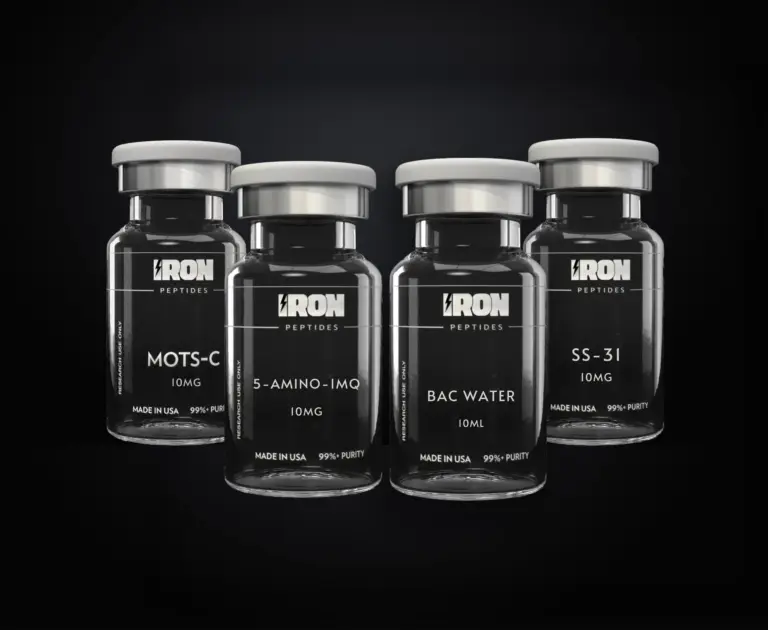
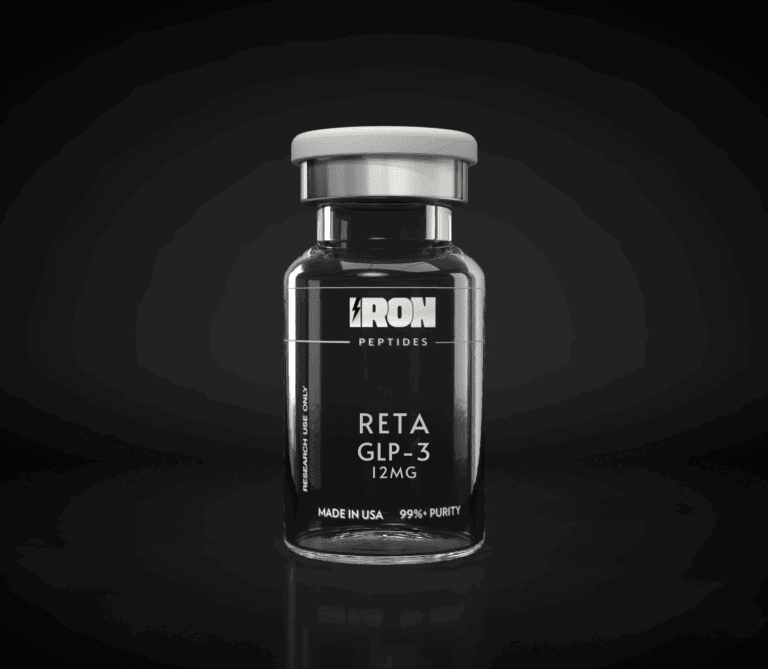
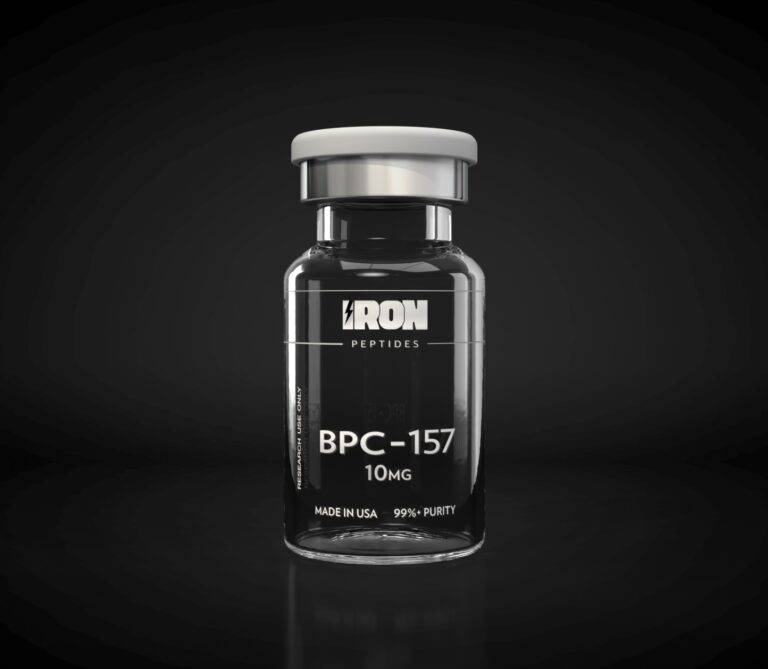
Browse our most-ordered iron peptide products. All items ship with a lot-specific Certificate of Analysis and are intended for research use only.

Scientific References
The peer-reviewed studies most frequently cited in iron-peptide research:
- Unlocking iron: peptide inhibition of hepcidin. Blood - American Society of Hematology. ASH 100039. Describes synthetic hepcidin-inhibitor peptides and their effect on iron mobilization in animal models.
- Novel iron-chelating peptide from egg yolk. PubMed Central, 2023. PMC10154770. Characterization of an iron-binding sequence isolated from hen egg yolk protein.
- Food protein-derived iron-chelating peptides. Trends in Food Science & Technology. S0963996920300016. Comprehensive review of iron-chelating peptides from animal and plant protein sources.
- Food-derived bioactive oligopeptide–iron complexes. Frontiers in Nutrition. Frontiers 997006. Demonstrates improved cellular iron uptake from peptide-iron complexes in Caco-2 cell models.
For additional papers and protocol notes, see our Research Library.
Frequently Asked Questions
Is there a peptide for iron?
Yes. Several classes of peptides interact with iron. Hepcidin-modulating peptides influence the hormone that regulates iron metabolism. Iron-chelating peptides - derived from food proteins like egg yolk, soybean and casein - bind ferrous and ferric iron directly. Iron-transport peptide complexes are studied for enhanced cellular uptake in research models. All of these are documented in peer-reviewed literature and sold by IRON Peptides for in-vitro research use.
Are iron peptides good?
Iron peptides are research compounds, not consumer products. In preclinical and in-vitro studies they show measurable activity for iron binding, transport and hepcidin modulation. Whether these findings translate to clinical applications is the subject of ongoing investigation, and they are not approved for human use.
What is the downside of peptides?
Research peptides vary in stability, solubility and shelf life. They typically require cold storage, careful reconstitution and are not shelf-stable like small-molecule drugs. Most research peptides are not FDA-approved for human use, which is why they are sold strictly for in-vitro research.
How are iron peptides different from iron supplements?
Iron supplements are dietary products containing iron salts such as ferrous sulfate, ferrous gluconate or ferrous bisglycinate. Iron peptides are research chemicals studied for distinct mechanisms - chelation, transport and hepcidin regulation. They are not dietary supplements and are not intended for human or animal consumption.
Are iron peptides FDA approved?
No. Iron peptides sold by IRON Peptides are not FDA-approved drugs or supplements. They are research-use-only (RUO) materials intended exclusively for in-vitro and laboratory research. They are not intended to diagnose, treat, cure or prevent any disease.
Where can I buy iron peptides?
Directly from IRON Peptides at buyironpeptides.com. Every order ships from our USA-based facility with a lot-specific Certificate of Analysis. We are the official manufacturer - not a reseller - and ship across the United States with cold-chain options when required.
Order Iron Peptides - Shipped from the USA
Lot-specific COA. 99.995% HPLC purity. Trustpilot-verified. Made in an FDA-registered facility in Carmel, Indiana.
Questions? Call +1 619-853-3399 or email support@buyironpeptides.org.